






Top 12 Beginner Backpacking Mistakes
We've all been there. A beginner, a newbie, green behind the ears, "what the hell do I do now?" ready and eager to make mistakes and hopefully learn from them. Here's a list of what not to do from Cleverhiker.com:
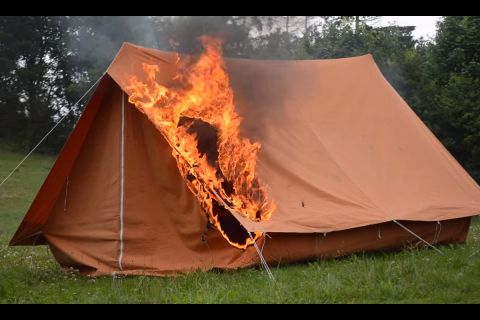
1. Cooking In Your Tent
Cooking dinner in your tent might seem like a cozy idea, especially if it’s wet and cold outside. But there are serious consequences to consider before lighting up a stove in an enclosed area. The obvious danger is that you could burn down your tent, which would suck. The less-obvious danger is that the carbon monoxide fumes from your stove are poisonous and they could kill you, which would suck more.
There may be scenarios where you need shelter to cook a meal - like winter camping on a mountain in a snowstorm. So if you MUST, cook in the vestibule of your tent (not inside your tent) and make sure to have lots of ventilation. If you can’t do those things, don’t cook at all.
2. Soaking Your Sleeping Bag
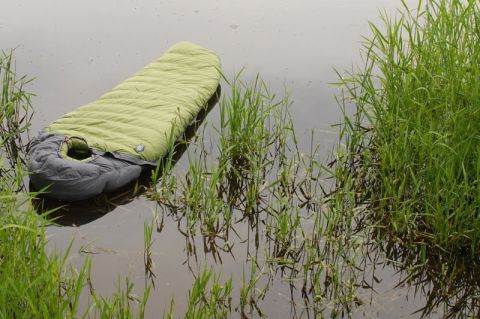
Here’s a surprising pro tip: Sleeping in a wet sleeping bag is the pits. Shocking insight, right? Still, this blunder seems to be a rite of passage for new backpackers. It’s hard to really drill the point home until you’ve actually been forced to climb inside a soggy sleeping bag. That’s when the wisdom really sinks in.
Develop an obsession for keeping your sleeping bag dry. At the first sign of rain, pack your sleeping bag in a waterproof container inside your backpack. Heavy-duty trash bags work great for this. Even if your backpack claims to be waterproof (few actually are), the extra protection is worth it for such a critical piece of gear.
3. Filleting Your Feet
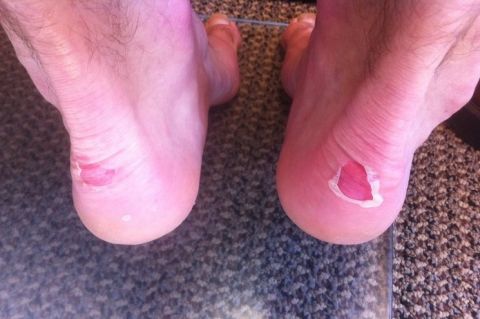
Few things can ruin a backpacking trip as quickly as bad blisters. When you’re traveling by foot and every step hurts, it’s pretty tough to enjoy your surroundings.
Blisters are caused by friction - wearing footwear that is too tight, too rigid, or rubs against a particular area of skin. They can develop easily when your feet are clammy and soft.
That’s one of the reasons I prefer to pack light and wear trail running shoes instead of boots. They keep my feet ventilated, comfortable, and blister free no matter how far I want to hike.
If you do plan to wear hiking boots, take lots of time to break them in well before your hike. Also, whatever footwear you choose, always stop immediately if you feel a hotspot and address it. Hiking through initial blister pain is easy, but you’re doing damage that will be much more painful over the following days.
4. Packing Too Much Crap
There are around 2,200 steps in every mile and nature is rarely flat. Remember that while you’re testing the weight of your pack in the comfort of your home. It won’t take very long for a heavy pack to feel uncomfortable once you get it on the trail.
Cutting weight is a skill that comes from experience and the confidence gained after years on the trail. The more you get out there, the more you’ll see what you need, what you don’t, and what items you can upgrade.
Common pitfalls include bringing too much clothing, too much food, and unnecessary extras like camping chairs, camp shoes, and excess cooking equipment. When it comes to cutting gear weight, start with "The Big 3" – your shelter, backpack, and sleeping bag. Lightweight gear has come a long way in the past few years. For example, my backpack, 2-person tent, and sleeping bag weigh just over 4 pounds combined. Packing light will make your hike much more enjoyable.
5. Swamping Your Shelter
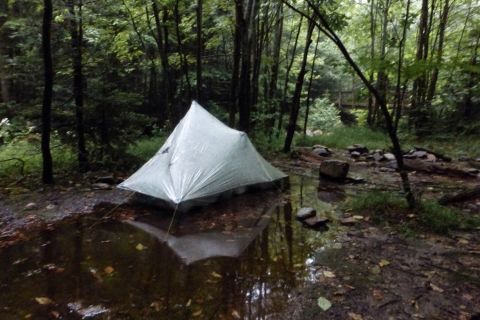
When setting up your tent, always ask yourself this question: When it rains, where will the water go? Flat areas always seem like appetizing spots to pitch a shelter, but they’re also the places where the water will pool. If it starts to rain in the night, you could easily wake up with a few inches of standing water in your tent, and that’s never fun.
When you're setting up your shelter, look for proper water drainage and never choose a location that looks like it was previously a puddle. Choose established campsites to minimize your impact, camp at least 200 feet from water sources, and avoid low spots in valleys to reduce condensation and cold temperatures.
6. Giving Animals Easy Meals
It’s shocking to me how rarely I see backcountry travelers storing their food properly. And yes, proper food storage is a big deal - not just for you, for the wildlife. Feeding wild animals changes their foraging habits and teaches them to associate humans with food. For example, when bears learn to associate humans with food they often need to be trapped, relocated, and sometimes killed.
Poor food storage is the equivalent of feeding wild animals by hand, so don't be that guy. It’s not hard to do and it's worth it to keep our wildlife wild. You have many options for proper food storage. Bear canisters, Ursacks, and properly hung bear bags are all solid options. Check out the video below to see what will work best for you.
7. Bringing Untested Gear
Testing gear is an essential step to pre-trip planning. Never bring an item you haven’t tested into the backcountry because something is bound to go wrong. You might pack the wrong type of stove fuel, bring a headlamp with depleted batteries, or find yourself struggling to set up a new tent when it’s dark and raining.
Avoid these mistakes and many more by testing your gear before you get on the trail. Also, use a lightweight checklist before every trip to make sure you aren’t forgetting critical items.
8. Having A Lax Water Plan
Clean water is one of the most important factors for your survival in the wilderness. Water is also one of the heaviest items you’ll carry in your pack. So it’s important to strike the right balance between hydration and weight reduction on your treks. Always know where your next water source is and hydrate while you’re filling up. That way you won’t have to pack as much out.
For example, filling up a 3-liter hydration bladder will add close to 7 pounds to your pack. That’s an absolute no-brainer if you’re hiking in the desert, but an unnecessary burden if you’re hiking by clean rivers all day.
9. Skimping On Planning
Trip planning takes time and it isn’t always fun, but it is extremely important, especially for beginners. Trip planning will help you to avoid countless blunders that will completely derail your trip. During the trip planning phase you’ll find the right maps, get permits, learn about current conditions (snow, fires, bugs, etc.), learn about trail closures or fire bans, and a whole lot more.
Not knowing any one of those things could easily ruin your trip or keep you off the trail altogether. Winging it always seems like a good idea until you get lost on your way to the trailhead, realize you don't have the right permit, and find out a bear canister is required for food storage.
10. Ignoring The Weather
Weather in the wilderness is inherently unpredictable. Temperatures in the mountains can quickly drop and conditions can go from pleasant to treacherous faster than you might think. Being exposed to bad weather without the proper equipment is one of the most dangerous scenarios for any hiker, so don’t put yourself in that spot.
Even if the forecast calls for sun, bring a lightweight rain jacket. Evenings and mornings are almost always chilly in the woods, so pack a warm jacket, hat, and gloves on every trip. If you’re not prepared for wet and cold weather, you shouldn’t be in the woods. Period.
11. Dodging Navigation Skills
Do you know how to use a map and compass? Do you know what to do if you get lost in the wilderness? Do you know how to signal for help and how to maximize your chances of finding other people? If not, you're putting yourself in a really terrible position.
Every backpacker should know basic navigation skills. If you don't, you really shouldn't be out in the backcountry. Never put yourself in a position to experience what it feels like to be truly lost in the wilderness. The consequences can be devastating.
12. Leaving A Trace
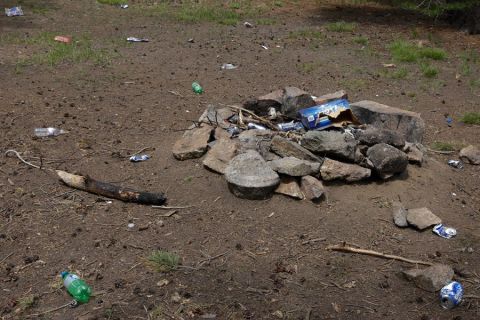
Leave no trace (LNT) backpacking skills aren’t sexy, but they are critical. The more we travel to wild areas the more impact we make on the plants and animals living in those places. If we don't do our part to minimize impact, we will ruin our most pristine wild areas.
Here are some simple tips: Don't use biodegradable soap in or near water sources. Pack out all your trash. Actually dig a hole to bury your poop. Follow fire regulations. Store your food properly. Don't feed animals. Know the rules for the area you're traveling in and follow them.
Those are simple details, but you'd be surprised how many backcountry travelers don't know or follow them. So please do your part to help keep our wild areas as wild as possible.