



#1 HYBRID - ALL ROUND SHELLS
9.0/10
EDITOR'S CHOICEBackcountry Ski Touring
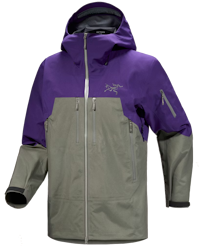
Arc’teryx Rush Jacket
THE VERDICT
The Rush remains the benchmark for dedicated touring. It offers the industry's best weight-to-durability ratio with a refined, articulated fit that never hinders movement on the skin track. Bombproof Gore-Tex Pro ePE protection — the gold standard for coastal BC and Rogers Pass conditions.
Open Reviews ›ⓘ
SPECS
Fabric:
3L GORE-TEX® Pro ePE, 80d recycled nylon
Weight:
445 g / 15.7 oz
Best Use:
Backcountry Ski Touring
MSRP:
$1,000.00 CAD / $850.00 USD
★
RATING: 9.0/10
Fit / Mobility:
2/2
Packability:
2/2
Waterproof & Breathable:
2/2
Features:
1.5/2
Quality / Price:
1.5/2
+
PROS
- Lightweight, minimalist design ideal for backcountry ski touring
- Fully waterproof zippers
- Exceptional durability
−
CONS
- Expensive
- Limited colour range
- Internal stash pockets too small for wide climbing skins (Jacket)