

TOP VIDEOS

MEC Icefields Down Hooded Jacket
The MEC Icefields Down Hooded Jacket is no longer the heavy parka of years past. This complete overhaul transforms a classic into a high-performance alpine workhorse. It’s built to live under a shell or stand alone during high-intensity backcountry missions, blending clever design flourishes with serious technical upgrades. For hikers and snowshoers who need warmth without the weight, this iteration marks a significant step forward in MEC's technical apparel.
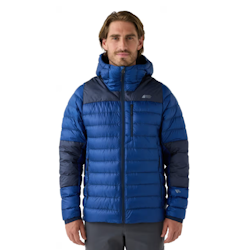
The move to 850-fill power RDS-certified goose down is a massive upgrade for the backcountry enthusiast. Higher fill power means the jacket can trap more heat using less material. This results in a superior warmth-to-weight ratio and exceptional compressibility. When space in your touring pack is limited, a jacket that provides maximum loft but stuffs down into its own inside pocket is a vital asset.
MEC has replaced traditional stitched construction with woven, seamless baffles. For the user, this is a game-changer for both durability and comfort. By eliminating thousands of needle holes, the jacket significantly reduces down leakage and prevents wind from whistling through the seams. This seamless design also removes the common problem of cold spots, ensuring consistent warmth even in high-wind alpine environments. Furthermore, without thread to snag or break, the material is far more durable for long-term mountain use.
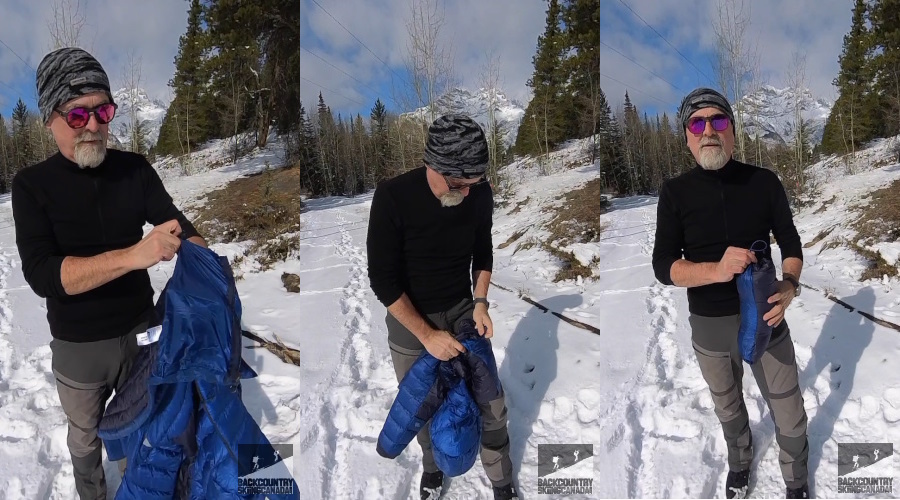
Recognizing that backcountry activities often involve high output and moisture, the new version features zonal insulation. While the core is packed with down, MEC has integrated 80gsm EcoSoft synthetic insulation in high-moisture zones like the cuffs and chin guard. This is critical because traditional down loses its ability to trap heat when wet. This hybrid mapping ensures that even if you are breathing heavily into the collar or getting your sleeves damp in the snow, the jacket maintains its structure and keeps you warm.
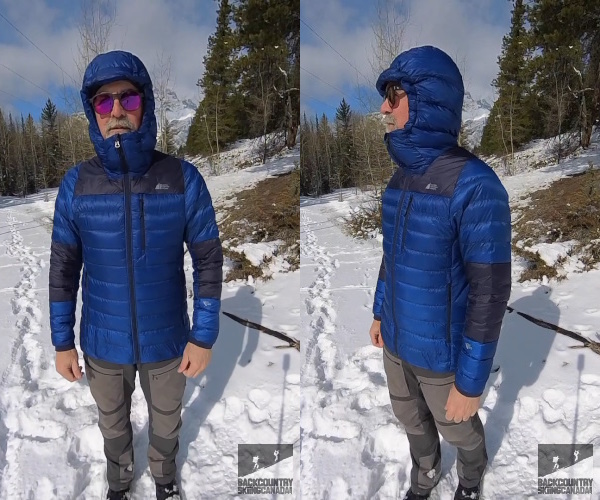
The redesigned hood is a bit of a balancing act between protection and bulk. While it is marketed as helmet-compatible, I found the fit to be quite snug when pulled over a standard climbing or ski helmet; it stays in place, but you lose a bit of neck mobility in the process. However, the hood truly shines when worn without a helmet. In that setup, it offers a secure, ergonomic fit that moves with your head rather than feeling like a cavernous wind-sail.
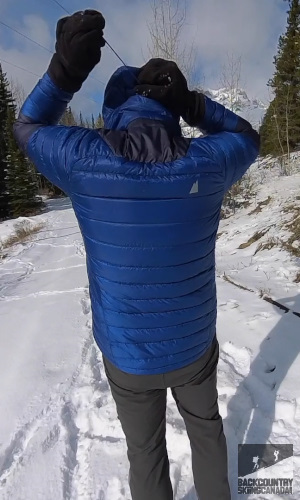
With the hood I had an initial concern that the adjustment system was a little small. Surprisingly, the hardware is remarkably intuitive—even with heavy winter gloves on, I was able to cinch the hood down or loosen it on the fly without having to pull my gloves off. It’s a small design win that makes a massive difference when the wind starts howling mid-transition.
Every gram counts on a long ascent. By focusing on weight reduction, the current jacket weighs in at only 358g. Unlike older, heavier versions of the Icefield that were designed as standalone outer layers, this modern version is a highly efficient transition piece. It is light enough to carry all day and warm enough to provide instant protection the moment you stop moving.
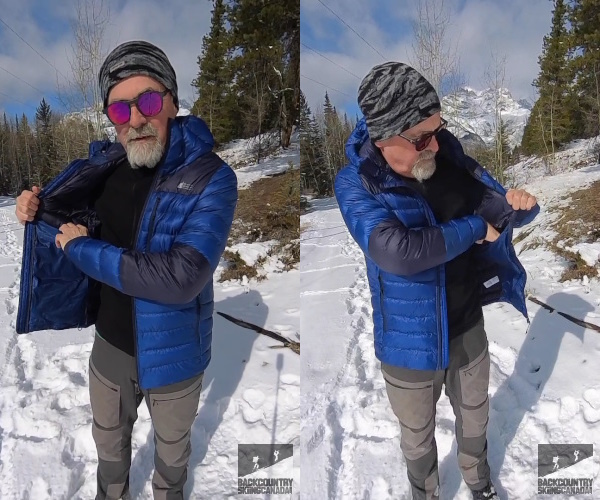
The pocket configuration on the Icefields is a bit of a mixed bag when it comes to technical integration. The external hand pockets are generously sized, offering plenty of room to thaw out frozen fingers or stash a pair of mid-weight liners. However, unlike some high-alpine shells that use "floating" pockets, these sit low enough that they directly interfere with a pack’s hip belt or a climbing harness. If you’re buckled in for a long approach, you’ll likely find your access to these pockets blocked, which is a bit of a missed opportunity for a jacket marketed as a "technical tool."
Thankfully, the internal storage helps pick up the slack. The large internal drop pocket is a standout feature for backcountry use; it’s the ideal spot to keep your climbing skins warm or to prevent your electronics from freezing. While you might have to unbuckle your pack to get into the outer pockets, that internal space ensures your mission-critical gear stays accessible and protected from the elements.
The Icefields features a slim, athletic cut that marks it as a true technical piece. Unlike a boxy parka, this trim silhouette stays close to the body, making it an ideal mid-layer that slides easily under a hardshell without feeling bulky. There is just enough room for a base layer or light fleece, providing a low-profile fit that doesn't hinder movement during high-output activities.
The integrated elastic at the cuffs is a highlight for anyone using gauntlet-style gloves. While loose sleeves often bunch up and let snow sneak in, these snug, low-profile wrists create a reliable seal. They sit comfortably under a glove cuff to effectively lock out snow, solving a common backcountry annoyance (at least for me) and keeping your forearms dry during transitions.
Features:
- Seamless baffle construction to prevent down migration
- Wind and Water resistant
- Adjustable Helmet-compatible hood
- Synthetic EcoSoft insulation in moisture-prone zones
- Hood with structured brim
- Integrated RECCO reflector
- External zippered chest and hand pockets
- Internal drop pockets (doubles as stuff sack)
Materials:
- Outer: Polyester ripstop
- Inner: Recycled polyester
- 850 fill-power RDS certified goose down
- DWR finish on outer fabric and down feathers

PROS:
- Excellent warmth for its weight
- Seamless baffles are more durable than stitched ones
- RECCO safety feature
- Highly compressible for easy packing

CONS:
- Light face fabric requires care around sharp gear
- Not warm enough as a standalone layer for extreme sub-zero stationary use

SPECS:
| Price: | $329.95CAN / $245.00US |
| Sizes: | XS, S, M, L, XL, XLL |
| Colours: | Men's: Neptune, Black Women's: Salmonberry, Black |
| Weight: | Men's: 358g Women's: 334g |

RATING: 9/10
| Fit/Mobility: | 2/2 |
| Packability: | 2/2 |
| Warmth: | 1.5/2 |
| Features: | 2/2 |
| Quality/Price: | 1.5/2 |
Verdict
The MEC Icefields Down Hooded Jacket is a triumphant return to form for a legacy nameplate. By shedding the bulk of its predecessors and embracing modern seamless technology and high-loft 850-fill down, MEC has produced a jacket that competes directly with the most high-end alpine brands at a more accessible price point.
It is specifically tailored for the fast-and-light backcountry user who needs reliable warmth that can vanish into a pack. While the lightweight face fabric requires a level of care around sharp backcountry tools, the integrated safety features like the RECCO reflector and the thoughtful hybrid insulation mapping make it a standout choice. If you need a specialized transition piece that balances technical performance with clever durability, the Icefields is one of the best options currently on the Canadian market.