

• Weekly avalanche conditions report
    Weekly Episode

    Avalanche Conditions Report

    Weekly snowpack summary covering Rogers Pass, the Selkirks and the Canadian Rockies. Published every Friday throughout the season.

    Listen Now →

    Weekly avalanche & safety updates throughout the season

  • BSC Guide Books
    Proprietary Content

    BSC Guide Books & Maps

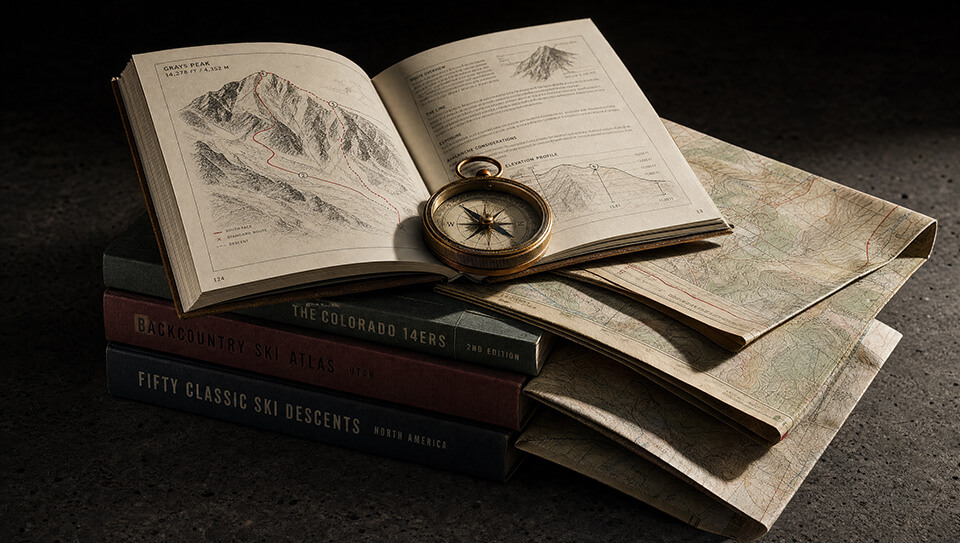
    Researched and written by our team. Printed guides and georeferenced digital maps for Canada's best backcountry terrain.

    Shop the Store →

    Printed guides + georeferenced digital maps — all authored by BSC

  • BSC Membership

    Access 300+
    Full Routes

    Subscribe to Backcountry Skiing Canada and unlock complete route descriptions, trailhead details, approach beta, seasonal conditions and linked digital maps — for every route we've documented across Western Canada.

    • 300+ full route descriptions with trailheads, approach notes and descent options
    • Georeferenced digital maps — Gaia GPS and CalTopo compatible
    • ATES-rated and updated each season with current conditions beta
    • Support independent backcountry skiing content since 2009
    Subscribe to BSC Browse free content →

    Route details also available in BSC printed guidebooks

  • Know Before You Go

    Check Today's Forecast

    Real-time avalanche danger ratings updated daily by Avalanche Canada. Always check before heading out.

    View Forecast →

    Avalanche awareness saves lives

  • Know Before You Go

    Check Today's Forecast

    Real-time avalanche danger ratings updated daily by Avalanche Canada. Always check before heading out.

    View Forecast →

    240+ videos — gear reviews, conditions reports & backcountry edits

Avalanche Canada issues Special Public Avalanche Warning

  • Online
    2025-02-28 10:37:25
    Feb 27, 2025, Revelstoke BC: Avalanche Canada, in partnership with Parks Canada, Alberta Parks, and the Province of British Columbia, has issued a Special Public Avalanche Warning for recreational backcountry users across most forecast regions in BC and Alberta. This special warning is in effect immediately and remains in place through Monday, March 3.

    A cohesive slab of snow 30 to 100 centimetres thick sits over a variety of prominent weak layers in the upper snowpack that formed during dry periods in January and February. This has created a reactive avalanche problem leading to serious incidents and close calls. While natural avalanche activity has slowed, human-triggered avalanches remain likely.

    “We’ve been tracking these weak layers closely over this past month,” says Avalanche Canada Avalanche Forecaster Zoe Ryan. “Now that the snow on top of them has consolidated, it’s a recipe for dangerous avalanches. These highly problematic layers remain primed for human triggering.”

    “We know backcountry users are eager to enjoy the snow,” adds Ryan, “but this is a tricky avalanche problem. The snowpack is going to take time to strengthen. Good travel habits and selecting conservative terrain will be critical because getting caught in one of these avalanches could be deadly.”

    To reduce risk, Avalanche Canada recommends:
    Sticking to lower-angle slopes (less than 30 degrees)
    Choosing terrain that minimizes the consequences of an avalanche
    Traveling one at a time when exposed to avalanche terrain
    Avoiding sun-exposed slopes during warm and/or sunny conditions

    "Avalanche conditions across B.C. are especially dangerous, and I strongly urge people to stay alert and be extra careful," says Kelly Greene, Minister of Emergency Management and Climate Readiness. "The weather is starting to warm, and that will bring more people to the mountains. Avalanches can have devastating consequences and, tragically, have claimed the lives of two people in B.C. this year. I urge everyone to check the avalanche forecast before heading out, make cautious decisions, and consider delaying their trip to the mountains until conditions are safer."

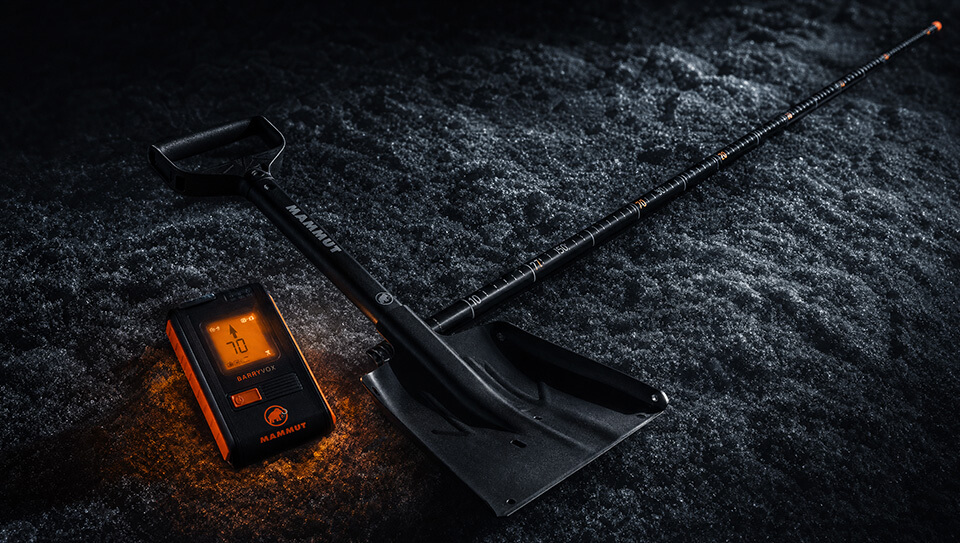
    Backcountry users should always check the avalanche forecast at www.avalanche.ca. Everyone in a backcountry group must carry essential rescue gear—an avalanche transceiver, probe, and shovel—and have the training to know how to use it.


    For more information contact:
    Karilyn Kempton
    Communications Manager, Avalanche Canada
    [email protected]
    250-814-8478