


Decoding the Trail: A Guide to Hiking Ratings in Canadian Mountain Parks
So, you're ready to trade your skis for hiking boots and explore the breathtaking mountain parks of Canada. But with a quick glance at a trail guide or a park website, you're suddenly faced with a barrage of terms: "Easy," "Moderate," "Difficult," "elevation gain," "technical terrain." What does it all mean? And how do you choose a trail that's right for you, ensuring a day of stunning vistas instead of a struggle for survival?
This guide is for you, the beginner to intermediate hiker, ready to tackle the Canadian Rockies and beyond. We'll break down the trail rating systems and, more importantly, teach you how to read between the lines to find your perfect mountain adventure.
Understanding the Lingo: What Do Trail Ratings Mean?
While there isn't a single, universal trail rating system across Canada, you'll find that most parks and trail resources use a similar three-tiered system. Here's a general breakdown:
-
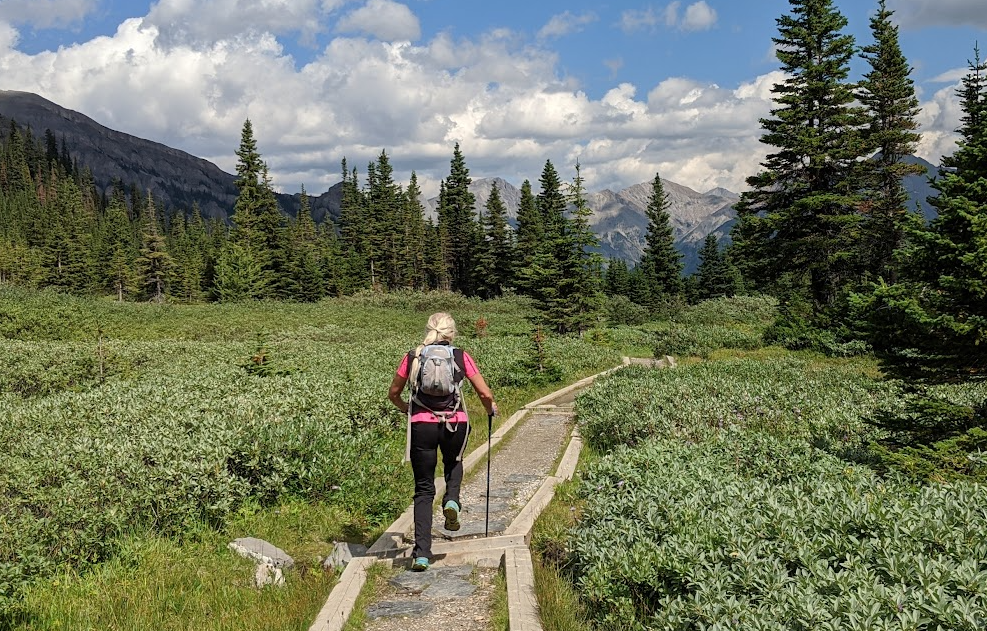
Easy: These trails are your perfect introduction to hiking. Expect well-defined, relatively flat paths with minimal elevation gain. They are often shorter in distance and suitable for families with children and those new to hiking. You won't typically need any specialized gear beyond a good pair of walking shoes and a water bottle.
-
Moderate: Ready for a bit more of a challenge? Moderate trails will introduce you to more significant elevation changes, meaning you'll be doing some climbing. The trail surface might be more uneven, with rocks and roots to navigate. These hikes require a decent level of fitness and are a great next step once you're comfortable on easy trails.
-
Difficult/Strenuous: These are the trails that will test your limits. Expect steep, sustained climbs, significant elevation gain, and potentially technical sections where you might need to use your hands for balance. The trails can be long and remote, requiring a high level of fitness, experience, and careful planning. These are not the trails to start with.
Beyond the Rating: Factors That Truly Define a Hike
Here's the secret that experienced hikers know: the official rating is just the beginning of the story. To truly understand a trail, you need to look at the details. Here's what to consider:
-
Distance and Elevation Gain: The Effort Equation A 10-kilometer hike on flat ground is a world away from a 10-kilometer hike with 1,000 meters of elevation gain. The elevation gain is the total amount of uphill you'll be doing, and it's a key indicator of how much effort the hike will require. For beginners, start with trails that have minimal elevation gain (under 300 meters) and gradually work your way up as your fitness improves.
-
Terrain: It's All in the Footing The "what's under your feet" factor is crucial. A smooth, packed-dirt trail is much easier to walk on than a trail littered with loose rocks, gnarled roots, or muddy sections. Trail descriptions will often mention the terrain. Pay attention to terms like "well-maintained," "rocky," "rooted," or "scree" (loose, small rocks).
-
Time Commitment: More Than Just Distance Don't just look at the distance; look at the estimated hiking time. A short but steep hike can take longer than a longer, flatter one. Always give yourself more time than the estimate, especially as a beginner. This allows for breaks, photo opportunities, and a more relaxed pace. Start your hikes early in the day to avoid being caught out in the dark.
- Weather: The Mountain's Mood Swings Mountain weather is notoriously fickle. A sunny day in the valley can be cold, windy, and wet at higher elevations. Always check the weather forecast and trail conditions for the specific area you'll be hiking in, and be prepared for anything. Pack layers of clothing, including a waterproof jacket, even if the forecast looks perfect.
- Wildlife: You're in Their Home Hiking in Canadian mountain parks means you're in bear country. While seeing a bear from a safe distance can be a thrilling experience, it's crucial to be "bear aware." Carry bear spray and know how to use it. Make noise while you hike (talking, singing, or calling out "hey bear!"), and never feed or approach wildlife. A good rule of thumb is simply avoid trails with bear warnings on them.
Finding Your Next Trail
Now that you're armed with this knowledge, how do you find that perfect first or fifth hike?
-
Parks Canada and Provincial Park Websites: These are your most reliable sources of information. They provide detailed trail descriptions, ratings, distances, elevation gain, and current trail conditions.
Parks Canada Trail Conditons and Ratings -
Trail Apps and Websites: Apps like AllTrails and websites like 10Adventures offer a wealth of information, including reviews and photos from other hikers. These can be a great way to get a feel for a trail before you go. HOWEVER, it is really important to take user comments on trail ratings with a grain of salt
-
Guidebooks: A good, old-fashioned guidebook can be an invaluable resource. They often provide more detailed descriptions and historical or geological information about the trails.
- Park Info Centers: Even after you have chosen your next trail it only takes a few minutes to drop-in to the closest info center and check for today's conditions and any wildlife warnings.
Choosing the right hiking trail is all about being an informed adventurer. Start small, listen to your body, and gradually build your skills and confidence. The mountains are waiting, and with a little bit of planning, you'll be ready to explore them safely and with a smile on your face. Happy exploring the backcountry!