• Weekly avalanche conditions report
    Weekly Episode

    Avalanche Conditions Report

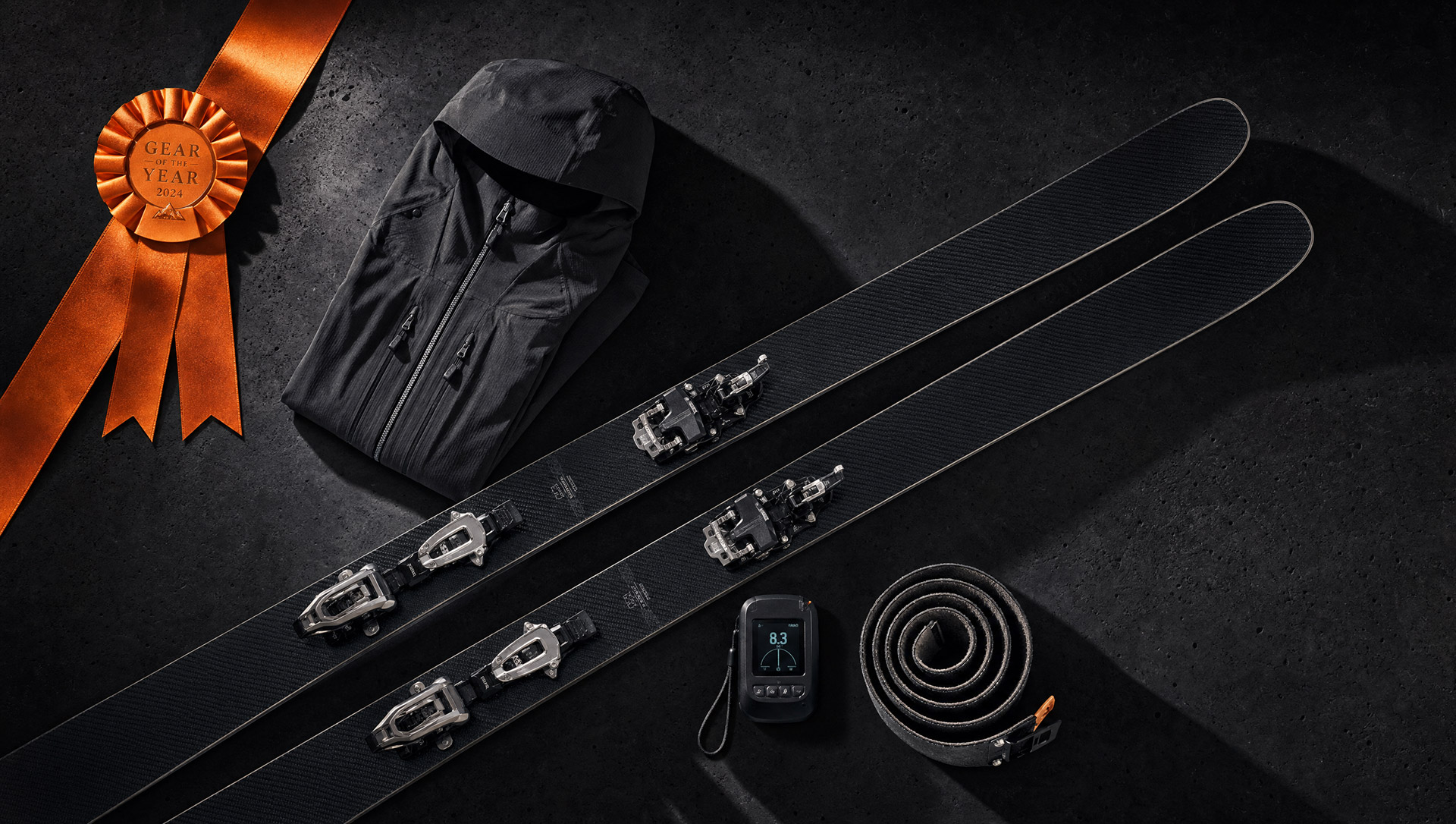
    Weekly snowpack summary covering Rogers Pass, the Selkirks and the Canadian Rockies. Published every Friday throughout the season.

    Listen Now →

    Weekly avalanche & safety updates throughout the season

  • BSC Guide Books
    Proprietary Content

    BSC Guide Books & Maps

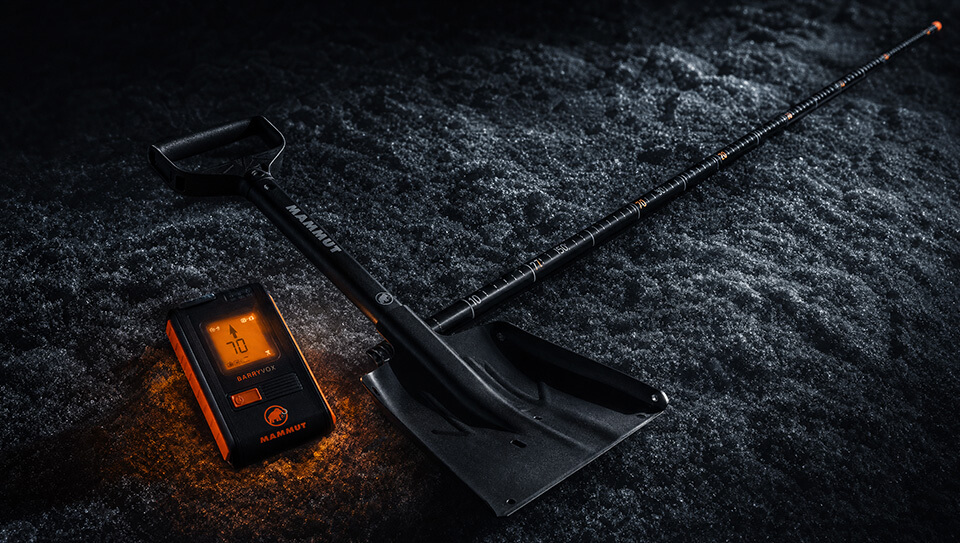
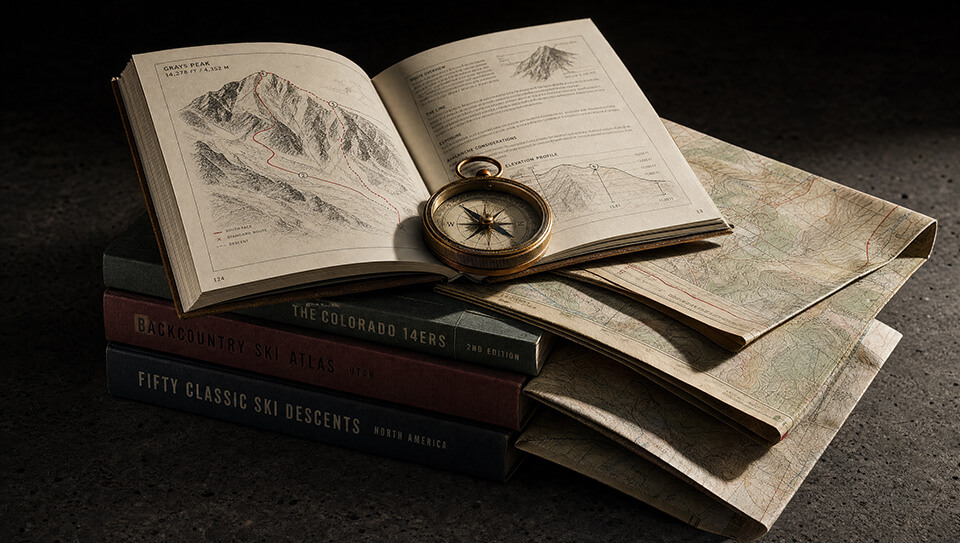
    Researched and written by our team. Printed guides and georeferenced digital maps for Canada's best backcountry terrain.

    Shop the Store →

    Printed guides + georeferenced digital maps — all authored by BSC

  • BSC Membership

    Access 300+
    Full Routes

    Subscribe to Backcountry Skiing Canada and unlock complete route descriptions, trailhead details, approach beta, seasonal conditions and linked digital maps — for every route we've documented across Western Canada.

    • 300+ full route descriptions with trailheads, approach notes and descent options
    • Georeferenced digital maps — Gaia GPS and CalTopo compatible
    • ATES-rated and updated each season with current conditions beta
    • Support independent backcountry skiing content since 2009
    Subscribe to BSC Browse free content →

    Route details also available in BSC printed guidebooks

  • Know Before You Go

    Check Today's Forecast

    Real-time avalanche danger ratings updated daily by Avalanche Canada. Always check before heading out.

    View Forecast →

    Avalanche awareness saves lives

  • Know Before You Go

    Check Today's Forecast

    Real-time avalanche danger ratings updated daily by Avalanche Canada. Always check before heading out.

    View Forecast →

    240+ videos — gear reviews, conditions reports & backcountry edits

The New Full Rocker

  • 2013-04-03 23:06:12

    Hi everyone, eventually I would like to write a full article about this but for now I'd like to just poke the hornets nest, rouse up some discussion, and just plainly see what people's perceptions are about the new batch of full rockered skis that have started to show up everywhere.  It seems like people are finally catching up and accepting an idea that has been keeping me happy and having fun for the last 4 winters.  The skis in question are traditionally* shaped skis that have a gradual reverse camber profile that is carefully matched to the side cut of the ski.  Sometimes there's tip and tail taper involved, sometimes not, but the big question is this.  What do all you back country folks really think?  Do we really still need camber on a wide powder ski?


  • 2013-04-04 13:25:35

    I've never skied a full reverse camber ski, but my only question would be is how do they perform on hard snow?  I do have a dedicated powder ski (Praxis Protest) that I love, but it does have some camber under the foot.  Skiing in the Rockies we sometimes get some pretty nasty conditions in the Alpine.  Skiing some steep, hard and narrow chutes earlier this winter I was reminded that it's nice to have a ski that can handle variable snow conditions, not just hero snow.  The Protests carved very smooth, short predictable turns down the hard, runnelled snow.  Not sure how a full reveres camber would handle those conditions?


    I buddy of mine has been skiing reverse camber for the past 6 years.  I think the ski has made his style more "hippy" and less turning from the legs.  But hey, he still has fun.  I think "early rise"  has had a more pronounced effect on how skis handle, expecially in deep snow.  Taper has made skis which are more predictable in variable, soft snow and chop conditions.  I think each of these elements is just as important as camber.  The question always comes back to what you're skiing.


    Carefully matching sidecut to the reverse camber?  That sounds like marketing phooey to me.  4FRNT is making fairly straight reverse cambered skis that seem to work quiet well for those riding them. 


    With all the variables now available to a ski manufacturer, ski design has entered the era of art more than science.  Reminds me of how surfboard shaping reached mystical status.  


    In the end it's whatever floats your boat, but great skiers will shred on a pair of just about anything.  

  • 2013-04-04 13:27:51

    oh, and maybe you can help me, but how does a full reverse camber ski skin up the mountain?
  • 2013-04-04 20:01:35

    Thank you for the reply, I was hoping to get a discussion going.  So this is a start.  I find that my full reverse camber skis, skin up just fine.  They are free ride skis so they are not particularly light but the profife does allow them to pivot at switch backs more easily and I really like how they climb to the top of deep unconsolidated snow.  Edge hold on side hill is concentrated in the middle of the ski and is more than enough for any of the snow conditions that I have encountered locally. 

    One detail I have noticed is that on a long traverse I am always on my skins so it is possible that they don't glide as well.  With a cambered ski  as you unweight  the ski the skin leaves the snow briefly giving less resistance.  So maybe a fair thing to say is that with my full reverse skis generally skin grip is slightly less in the front and in the tail but is much more consistent underfoot.  Also, its important to note that most skis that would compete directly with my daily driver; the Volkl Shiro, adopt tip and tail rocker with a shorter section in the middle of the ski with camber.  From a strict skinning perspective I believe that my fully reversed Shiros have better skin grip through the middle flatter section of the ski than it's hybrid camber counterpart.  This is because my skins maintain a consistent contact to the surface below me and are not effected by the skis camber when unweighted.  The points of pressure that camber creates on edge would make for better edge hold on side hill without a doubt but everything is a trade off. 

    So that briefly covers skinng, how about skiing?

    I feel like the best way I can describe the difference in feel on a fully rockered ski vs a tip/tail rocker camber underfoot ski is that they are much more fluid, natural and smooth turning.  There is a lateral slip component of the turn of course but grip is there for you as you enter deeper into the turn.  Everything starts underfoot and as the pressure you apply to the ski spreads along the skis length you really can carve these skis.  You get to be in control of turn size, shape and your trajectory.  You don't get locked into the side cut of the ski with no way out and because you have more ski in contact with the snow in deeper turns at higher speeds you get the stability when you need it and the maneuverability when you don't.

    I agree with what you have said before about ski making being an art and as we all know there are many details that go into the end product.  Hopefully I get to hear from more people on the subject that have tried both ski types.

    As a quick note the following review is of an example of a fully reverse ski that was designed for back country use.

    http://backcountryskiingcanada.....taq%20skis