

Logo
Tailgate Industries
Show
Hide
Login
Close

SITE LOGIN

  • Forgot your password?

Register

  • REVIEWS
    • Ski Gear
      • Skis
      • Boots
      • Bindings
      • Climbing Skins
      • Poles
      • Snowboards
    • Clothing
      • Hard Shells
      • Soft Shells
      • Insulation
      • Mid Layers
      • Base Layers
      • Gloves
      • Socks
      • The Best Backcountry Hats
    • Accessories
      • Safety Gear
      • Goggles and Helmets
      • Ski Touring Packs
      • Ski Boxes and Bags
      • Sleeping Bags - 4 Season
      • Technology
      • Sunglasses
      • Insoles & Braces
      • Books
    • Summer Gear
      • Summer How-to
        • What to Wear Hiking
        • Guide to Hiking Trail Ratings
      • Hiking
        • Rain Shells
        • Day Packs
        • Apparel
        • Footwear
          • Best Hiking and Trail Running Shoes
        • Safety
        • Footwear
      • Camping
        • Backpacks
        • Sleeping Bags
        • Sleeping Pads
        • Tents
        • Coolers / Cooking
        • Furniture / Storage
        • Lighting / Power
      • Biking
      • Paddling
      • Climbing
      • Mountaineering
      • Running
    • Lifestyle
    • Lodges and Accommodation
    • Nutrition
    • Manufacturers
    • Destinations
    • Training
    • Gear of the Year
      • Gear of the Year Winter 2024-2025
      • Gear of the Year Winter 2023-2024
      • Gear of the Year Archives
    • Best New Summer Gear
      • Best New Summer Gear 2025
      • Best New Summer Gear 2024
      • Best New Summer Gear 2023
      • Best New Summer Gear 2022
      • Best New Summer Gear 2021
      • Best New Summer Gear 2020
    • Holiday Gift Guide
    • Pro Skier Interviews
  • NEWS
    • Gear Talk
    • Safety Talk
    • Touring Locations
    • Backcountry Hikes
    • Pro Services
    • General
  • STORE
    • Guides & Maps
    • Buy Guides and Maps Locations
    • Gear Deals
      • Alpine Touring Boots
      • Backcountry Skis
      • Alpine Touring Bindings
      • Backcountry Accessories
      • Off-Season Gear
      • Climbing Skins
  • ROUTES
  • LODGING
    • Coast Mountains
    • Interior Mountains
    • Rocky Mountains
  • VIDEOS
    • 2022/23 Gear Reviews
    • 2021/22 Gear Reviews
    • 2020/21 Gear Reviews
    • 2019/20 Gear Reviews
    • 2018/19 Gear Reviews
    • 2017/18 Gear Reviews
    • 2016/17 Gear Reviews
    • 2015/16 Gear Reviews
    • 2014/15 Gear Reviews
    • 2013/14 Gear Reviews
    • 2012/13 Gear Reviews
    • 2011/12 Gear Reviews
    • 2020 Outdoor Retailer
    • 2019 Outdoor Retailer
    • 2018 Outdoor Retailer
    • 2017 Outdoor Presscamp
    • 2017 Outdoor Retailer
    • 2016 Outdoor Presscamp
    • 2016 Outdoor Retailer
    • 2015 SIA Show
    • 2014 Outdoor Retailer
    • 2013 SIA Show
    • 2012 Outdoor Retailer
    • Tips and Tricks
    • Backcountry Skiing
  • SAFETY
    • Plan Ahead
    • Equipment
    • Resources
    • Avalanche Skills Training
    • Managing warmth & heat loss
  • ABOUT
    • Advertise
    • Glossary
    • Contact Us
    • Newsletter
    • Contest
    • Affiliate Disclosure
    • Contributor Guidelines
  • REVIEWS
    • Ski Gear
    • Clothing
    • Accessories
    • Summer Gear
    • Lifestyle
    • Lodges and Accommodation
    • Nutrition
    • Manufacturers
    • Destinations
    • Training
    • Gear of the Year
    • Best New Summer Gear
    • Holiday Gift Guide
    • Pro Skier Interviews
  • NEWS
    • Gear Talk
    • Safety Talk
    • Touring Locations
    • Backcountry Hikes
    • Pro Services
    • General
  • STORE
    • Guides & Maps
    • Buy Guides and Maps Locations
    • Gear Deals
  • ROUTES
  • LODGING
    • Coast Mountains
    • Interior Mountains
    • Rocky Mountains
  • VIDEOS
    • 2022/23 Gear Reviews
    • 2021/22 Gear Reviews
    • 2020/21 Gear Reviews
    • 2019/20 Gear Reviews
    • 2018/19 Gear Reviews
    • 2017/18 Gear Reviews
    • 2016/17 Gear Reviews
    • 2015/16 Gear Reviews
    • 2014/15 Gear Reviews
    • 2013/14 Gear Reviews
    • 2012/13 Gear Reviews
    • 2011/12 Gear Reviews
    • 2020 Outdoor Retailer
    • 2019 Outdoor Retailer
    • 2018 Outdoor Retailer
    • 2017 Outdoor Presscamp
    • 2017 Outdoor Retailer
    • 2016 Outdoor Presscamp
    • 2016 Outdoor Retailer
    • 2015 SIA Show
    • 2014 Outdoor Retailer
    • 2013 SIA Show
    • 2012 Outdoor Retailer
    • Tips and Tricks
    • Backcountry Skiing
  • SAFETY
    • Plan Ahead
    • Equipment
    • Resources
    • Avalanche Skills Training
    • Managing warmth & heat loss
  • ABOUT
    • Advertise
    • Glossary
    • Contact Us
    • Newsletter
    • Contest
    • Affiliate Disclosure
    • Contributor Guidelines
Newsletter Signup

TOP VIDEOS

    HOTTEST REVIEWS


    Hagan Boost 99 POW Skis Garmin inReach Plus Scarpa 4-Quattro Pro 130+ Top Ski Reviews Ortovox Ravine Jacket Scarpa Maestrale RS Boots

    Ortovox
    Fritschi Swiss Bindings
    ROAM
    Marker Kingpin
    Avalance Canada
    Search
    • Home
    • »
    • Forum
    • »
    • Safety Talk
    • »
    • 5 TIPS FOR SAFER RAPPELLING

    BACKCOUNTRY NEWS AND FORUMS

    Welcome to your source for the latest news, conditions, and insights on backcountry skiing and adventuring. Explore reports, gear reviews, safety tips, and more to help you make the most of your time in the wild.

    If you sign up as a member this is your chance to tell everyone about everything and anything to do with backcountry skiing. Follow the simple steps to register and WHAMMY, you’re in. If you are pulling your hair out with frustration, have a look at the help forums for answers or take a pause and drop us an email at: info (at) backcountryskiingcanada.com. We’ll do our best to help out as soon as we can (but all bets are off on a powder day, obviously).  


    5 TIPS FOR SAFER RAPPELLING

    • RSS
    • Subscribe
    • shredr
      2015-08-27 00:29:54

      5 TIPS FOR SAFER RAPPELLING

      Found this article on the Outdoor Research Vertculture page (by Adam George) and though it was worth a re-post, after all these are words to live by,... literally.
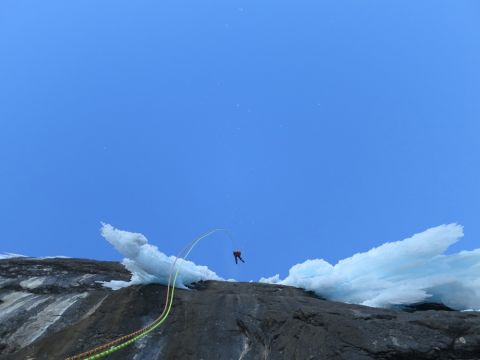
      rappelling

      Rappelling can be one of the most dangerous parts of climbing. Here are five ways to make it a little safer:


      1. Use a backup

      This may be the most important rule in increasing your safety while rappelling. When setting up your rappel, incorporate a prussic (or an autoblock, which is quicker to rig) below your rappel device  If you're using an extension, this can be clipped directly to your harness’s belay loop. It's important that the prussic does not slide up into your rappel device, which can interfere with the braking of the device, and is another reason that an extension is important. The backup will allow you to go hands free in order to deal with rope tangles or in the event you're hit by something while rappelling—very common while on the ice. With an autoblock you won't lose control even if you let go. Furthermore, by putting a backup on the rope, if you ever threaded the ropes incorrectly and committed to the rappel, the backup ensures you are still connected to the ropes and will prevent what would otherwise be a catastrophe.


      2. Use an extension for multiple rappels

      While doing multiple rappels, the use of an extension will make transitions at anchors more efficient and ultimately increase your safety on the way down. An extension provides a simple solution for clipping into the next anchor, and added distance between the rappel device and your harness allows for a more effective use of a backup prussic. Plus it gives more control because it's easier to keep two hands below the device and allows for more effective breaking. An extension can be accomplished using a double-length runner, but my preference these days is to use a pre-sewn sling specific for the task. Mammut and Beal both make these. While Spectra-type runners will work in a pinch, nylon runners should be used for this task. Also, make sure to eliminate any slack when clipping into an anchor.


      3. Dress it up and tighten it down 

      What type of knot you use depends a lot on personal preference, the terrain you're in and the diameters of ropes you are joining. But no matter what knot you choose, it's important to make sure the knot is well dressed and set well before you use it. By this I mean make sure the knot is neat and free of twists, and then tighten it down by hand as much as possible. This is especially important when using an overhand knot to join the ropes.


      4. Tie knots at the end

      There is one way to prevent rappelling off the end of a rope: knots at the ends. But so many people hate having these knots. They get caught, they get forgotten, etc… So, here are my rules: If you're not using a backup (see backup), you should have knots at the end while doing multi-pitch rappels. If you're rappelling on skinny icy ropes in the winter (think ice climbing), you should have knots. If you're stretching the rappels (think 55+ meters on a 60-meter rope), you should knot. The most effective way to deal with knots is tie two separate knots, one in each rope strand, by either doing an overhand or an overhand on a bight. The individual knots tend to stay tied better than joining the two rope ends together. And, don’t forget to untie the knots before pulling the rope!


      5. Back up and bounce test rappel anchors

      If you're skeptical about rappelling on an anchor, make sure to give it a good test before you commit to it. And do this while you're backed up! If you're still concerned, have the first person go with some gear backing up, but not taking any weight on, the anchor. Remember, your life is worth a lot more than any carabiner or cam on your rack, so if you have doubts about the quality of an anchor, leave some gear and make it safe.


    Ortovox
    Fritschi Swiss Bindings
    ROAM
    Marker Kingpin
    Avalance Canada
    • Terms of Use
    • Privacy Policy

    Copyright © 2009-25 Backcountry Skiing Canada. All Rights Reserved.