


Logo
Tailgate Industries
Show
Hide
Login
Close

SITE LOGIN

  • Forgot your password?

Register

  • REVIEWS
    • Ski Gear
      • Skis
      • Boots
      • Bindings
      • Climbing Skins
      • Poles
      • Snowboards
    • Clothing
      • Hard Shells
      • Soft Shells
      • Insulation
      • Mid Layers
      • Base Layers
      • Gloves
      • Socks
      • The Best Backcountry Hats
    • Accessories
      • Safety Gear
      • Goggles and Helmets
      • Ski Touring Packs
      • Ski Boxes and Bags
      • Sleeping Bags - 4 Season
      • Technology
      • Sunglasses
      • Insoles & Braces
      • Books
    • Summer Gear
      • Summer How-to
        • What to Wear Hiking
        • Guide to Hiking Trail Ratings
      • Hiking
        • Rain Shells
        • Day Packs
        • Apparel
        • Footwear
          • Best Hiking and Trail Running Shoes
        • Safety
        • Footwear
      • Camping
        • Backpacks
        • Sleeping Bags
        • Sleeping Pads
        • Tents
        • Coolers / Cooking
        • Furniture / Storage
        • Lighting / Power
      • Biking
      • Paddling
      • Climbing
      • Mountaineering
      • Running
    • Lifestyle
    • Lodges and Accommodation
    • Nutrition
    • Manufacturers
    • Destinations
    • Training
    • Gear of the Year
      • Gear of the Year Winter 2024-2025
      • Gear of the Year Winter 2023-2024
      • Gear of the Year Archives
    • Best New Summer Gear
      • Best New Summer Gear 2025
      • Best New Summer Gear 2024
      • Best New Summer Gear 2023
      • Best New Summer Gear 2022
      • Best New Summer Gear 2021
      • Best New Summer Gear 2020
    • Holiday Gift Guide
    • Pro Skier Interviews
  • NEWS
    • Gear Talk
    • Safety Talk
    • Touring Locations
    • Backcountry Hikes
    • Pro Services
    • General
  • STORE
    • Guides & Maps
    • Buy Guides and Maps Locations
    • Gear Deals
      • Alpine Touring Boots
      • Backcountry Skis
      • Alpine Touring Bindings
      • Backcountry Accessories
      • Off-Season Gear
      • Climbing Skins
  • ROUTES
  • LODGING
    • Coast Mountains
    • Interior Mountains
    • Rocky Mountains
  • VIDEOS
    • 2022/23 Gear Reviews
    • 2021/22 Gear Reviews
    • 2020/21 Gear Reviews
    • 2019/20 Gear Reviews
    • 2018/19 Gear Reviews
    • 2017/18 Gear Reviews
    • 2016/17 Gear Reviews
    • 2015/16 Gear Reviews
    • 2014/15 Gear Reviews
    • 2013/14 Gear Reviews
    • 2012/13 Gear Reviews
    • 2011/12 Gear Reviews
    • 2020 Outdoor Retailer
    • 2019 Outdoor Retailer
    • 2018 Outdoor Retailer
    • 2017 Outdoor Presscamp
    • 2017 Outdoor Retailer
    • 2016 Outdoor Presscamp
    • 2016 Outdoor Retailer
    • 2015 SIA Show
    • 2014 Outdoor Retailer
    • 2013 SIA Show
    • 2012 Outdoor Retailer
    • Tips and Tricks
    • Backcountry Skiing
  • SAFETY
    • Plan Ahead
    • Equipment
    • Resources
    • Avalanche Skills Training
    • Managing warmth & heat loss
  • ABOUT
    • Advertise
    • Glossary
    • Contact Us
    • Newsletter
    • Contest
    • Affiliate Disclosure
    • Contributor Guidelines
  • REVIEWS
    • Ski Gear
    • Clothing
    • Accessories
    • Summer Gear
    • Lifestyle
    • Lodges and Accommodation
    • Nutrition
    • Manufacturers
    • Destinations
    • Training
    • Gear of the Year
    • Best New Summer Gear
    • Holiday Gift Guide
    • Pro Skier Interviews
  • NEWS
    • Gear Talk
    • Safety Talk
    • Touring Locations
    • Backcountry Hikes
    • Pro Services
    • General
  • STORE
    • Guides & Maps
    • Buy Guides and Maps Locations
    • Gear Deals
  • ROUTES
  • LODGING
    • Coast Mountains
    • Interior Mountains
    • Rocky Mountains
  • VIDEOS
    • 2022/23 Gear Reviews
    • 2021/22 Gear Reviews
    • 2020/21 Gear Reviews
    • 2019/20 Gear Reviews
    • 2018/19 Gear Reviews
    • 2017/18 Gear Reviews
    • 2016/17 Gear Reviews
    • 2015/16 Gear Reviews
    • 2014/15 Gear Reviews
    • 2013/14 Gear Reviews
    • 2012/13 Gear Reviews
    • 2011/12 Gear Reviews
    • 2020 Outdoor Retailer
    • 2019 Outdoor Retailer
    • 2018 Outdoor Retailer
    • 2017 Outdoor Presscamp
    • 2017 Outdoor Retailer
    • 2016 Outdoor Presscamp
    • 2016 Outdoor Retailer
    • 2015 SIA Show
    • 2014 Outdoor Retailer
    • 2013 SIA Show
    • 2012 Outdoor Retailer
    • Tips and Tricks
    • Backcountry Skiing
  • SAFETY
    • Plan Ahead
    • Equipment
    • Resources
    • Avalanche Skills Training
    • Managing warmth & heat loss
  • ABOUT
    • Advertise
    • Glossary
    • Contact Us
    • Newsletter
    • Contest
    • Affiliate Disclosure
    • Contributor Guidelines
Newsletter Signup

TOP VIDEOS

    HOTTEST REVIEWS


    Hagan Boost 99 POW Skis Garmin inReach Plus Scarpa 4-Quattro Pro 130+ Top Ski Reviews Ortovox Ravine Jacket Scarpa Maestrale RS Boots

    Ortovox
    Fritschi Swiss Bindings
    ROAM
    Marker Kingpin
    Avalance Canada
    Search
    • Home
    • »
    • Forum
    • »
    • General Talk
    • »
    • General Talk
    • »
    • How to Tie Hiking Boots for Downhill

    BACKCOUNTRY NEWS AND FORUMS

    Welcome to your source for the latest news, conditions, and insights on backcountry skiing and adventuring. Explore reports, gear reviews, safety tips, and more to help you make the most of your time in the wild.

    If you sign up as a member this is your chance to tell everyone about everything and anything to do with backcountry skiing. Follow the simple steps to register and WHAMMY, you’re in. If you are pulling your hair out with frustration, have a look at the help forums for answers or take a pause and drop us an email at: info (at) backcountryskiingcanada.com. We’ll do our best to help out as soon as we can (but all bets are off on a powder day, obviously).  


    How to Tie Hiking Boots for Downhill

    • RSS
    • Subscribe
    • admin
      2023-10-22 08:43:14

      How to Tie Hiking Boots for Downhill

      Hiking Season is in full swing as we eagerly await the start of winter with the arrival of snow up high in the mountains. So this is a good time to review the basics of how to properly tie your hiking boots—a skill that many overlook.

      --------------------------------Sponsored Post--------------------------------

      How to Tie Hiking Boots for Downhill
      Hiking downhill is usually the most challenging part of an outdoor trip. As you descend from a peak, every step you take becomes crucial for safety and comfort. One aspect that's often overlooked but plays a significant role in a successful downhill hike is the way you tie your boots. In this article, we'll explore the importance of tying hiking boots properly for downhill treks and provide a step-by-step method to ensure you’re laced up for the best possible experience.

      Why It's Important to Tie Hiking Boots the Right Way
      Properly tied boots offer a bunch of benefits that people don’t think about, especially when navigating downhill terrains. Firstly, they provide better ankle support, reducing the risk of sprains and strains. As you head downhill, the pressure on your toes and the front of your foot increases. If your boots are not tied correctly, your foot can slide forward, causing discomfort and possibly leading to blisters or injuries.

      Moreover, with the right lacing technique, you can achieve a snug fit that distributes pressure evenly across your foot. This not only enhances comfort but also improves traction, allowing you to tackle tricky downhill sections with greater confidence and ease.
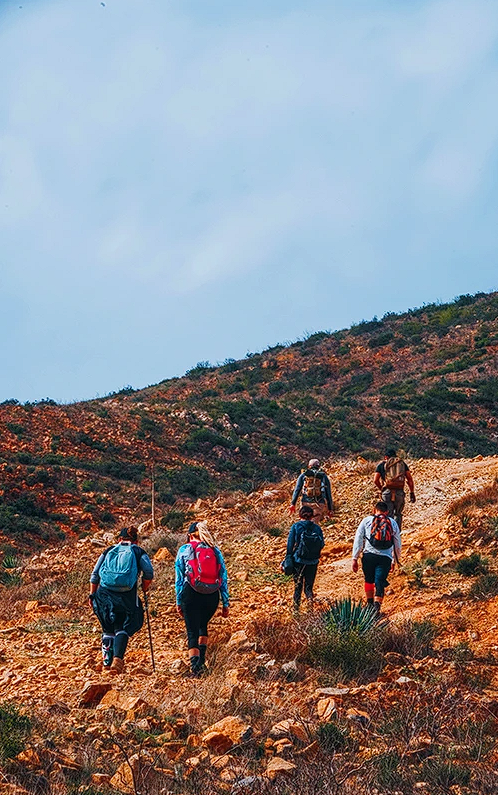
      How to Tie Hiking Boots for Downhill

      How to Tie Hiking Boots
      Getting the perfect lace-up for downhill hiking involves a few specific steps:

      1. Start with Clean, Untangled Laces:
      Before lacing up, ensure your shoelaces are clean and free of knots or tangles. Dirt and debris can affect the tightness and evenness of your laces.

      2. Loop Evenly:
      Begin at the bottom and make sure both lace ends are of equal length. This ensures an even tie throughout the boot.

      3. Use the Locking Technique:
      As you lace up, when you reach the hooks or D-rings near the ankle, create a "lace lock". Do this by pushing each lace end under the opposite side's lace, forming a small loop on each side. Now, thread the ends through these loops and pull tight. This technique creates added tension and keeps your foot securely in place.

      4. Finish with a Secure Knot:
      Once you've laced to the top, finish with a sturdy bow knot. For added security, you can tie a double knot.

      What Type of Boots are Best for Hiking
      The right boot can make a difference in your hiking experience. For downhill hiking, it's essential to choose boots that offer excellent ankle support and a snug fit. Mid to high-cut boots are preferable, as they protect your ankle and prevent unwanted movements. Additionally, opt for boots with a deep tread pattern. This offers better grip on steep terrains and reduces the risk of slips. You can find hiking gear reviews here.

      Moreover, ensure the boots have a reinforced toe cap. This offers added protection against rocks and roots that you might encounter while descending. Lastly, always consider the boot's weight. Lightweight models are great for long hikes as they reduce leg fatigue.

      What are the Best Shoelaces for Outdoor Activities?
      The importance of durable and reliable shoelaces cannot be emphasized enough. For outdoor activities, consider laces made of synthetic materials, as they resist moisture and abrasion better than cotton laces. Flat laces tend to stay tied more securely than round ones, especially when they're wet.

      For those hiking in challenging conditions, reflective laces can be a great choice. They increase visibility in low-light scenarios. There are also no tie shoelaces that will make your outdoor adventures go smoother. Also, consider laces with a bit of elasticity. They can adjust to your foot's movement, ensuring a consistent snug fit throughout your hike.

      Conclusion
      Tying your hiking boots correctly, especially for downhill adventures, can greatly enhance your overall hiking experience. Not only does it prevent injuries, but it also ensures you remain comfortable throughout your trek. By understanding the importance and mastering the method of lacing up, coupled with the right choice of boots and laces, you're setting yourself up for a safe and memorable outdoor excursion. So, the next time you head downhill, remember that the way you tie your boots can make all the difference.


    Ortovox
    Fritschi Swiss Bindings
    ROAM
    Marker Kingpin
    Avalance Canada
    • Terms of Use
    • Privacy Policy

    Copyright © 2009-25 Backcountry Skiing Canada. All Rights Reserved.