



Avalanche Canada is looking to skiers, snowboarders and snowmobilers for help with reporting snow conditions across the country. For those not aware, Avalanche Canada, or AVCAN, is responsible for avalanche forecasting across all the mountain ranges of Canada. With such a huge area to cover, and only a limited number of field teams, it needs help from backcountry users.
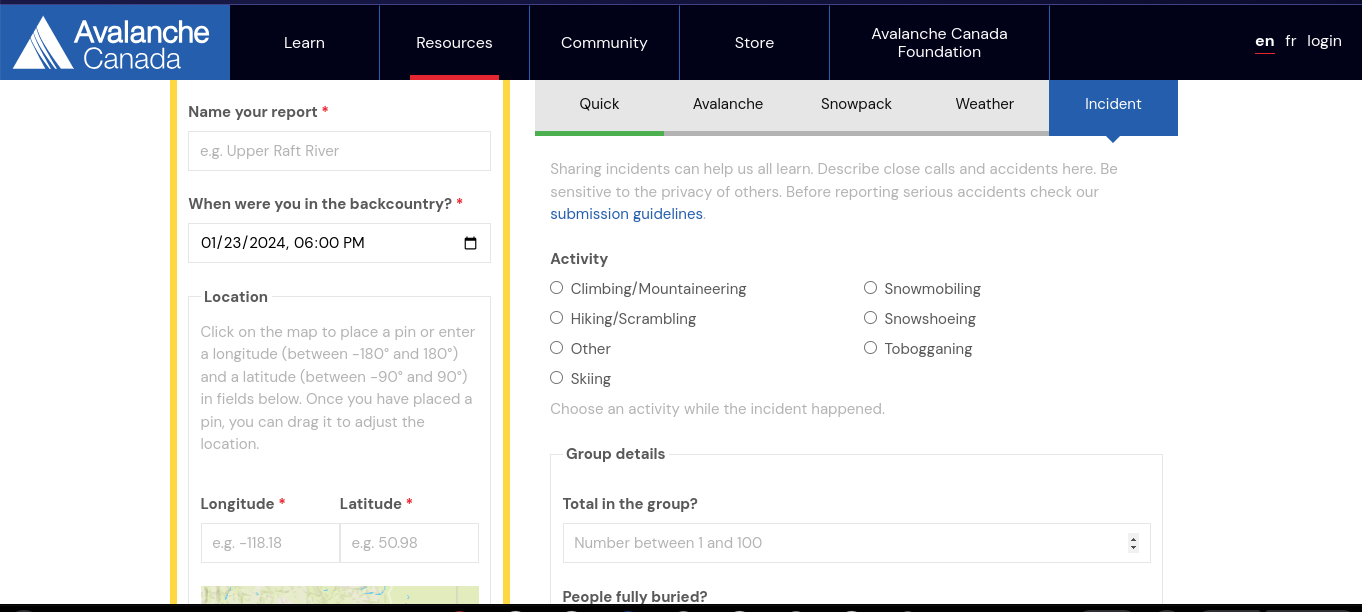
As a backcountry user in a zone covered by Avalanche Canada I check the MINs every time before I go out, and my touring partners and I try to write one every time we return for a tour. Full transparency though, we don’t always manage to get one done. It is not something that has become a part of our debrief, although, it easily could be. It’s so easy you could do it over a beer whilst waiting for your poutine to come out at the bar.
The website at is already a morning meeting staple for guides, ski patrollers, highways avalanche techs, and other avalanche professionals across the nation. It has also become, in recent years, a resource for all backcountry recreationalists. This has grown due to the courses created for recreational backcountry users by the non-profit organization.. The Avalanche Skills Training (or AST) courses use the online avalanche forecast as one of the main tools in their decision making matrix. As a backcountry skier, I will look at it every day, even if I’m not skiing that day. With the snowpack constantly changing, it is a valuable season-long resource.The organization has been putting out these forecasts since 2004, first as the Canadian Avalanche Centre, before becoming Avalanche Canada in October 2014.
Now the organization is asking for some help. On the website, they created the Mountain Information Network ( or MIN). This is a simple interface allowing anyone recreating out in the wilderness to share their observations on the weather, snowpack, riding quality, and any other information they feel is pertinent. Filling in a MIN report is really easy to do, and AVCAN has also shared that you don't even need to write much, photos of what you saw are enough.
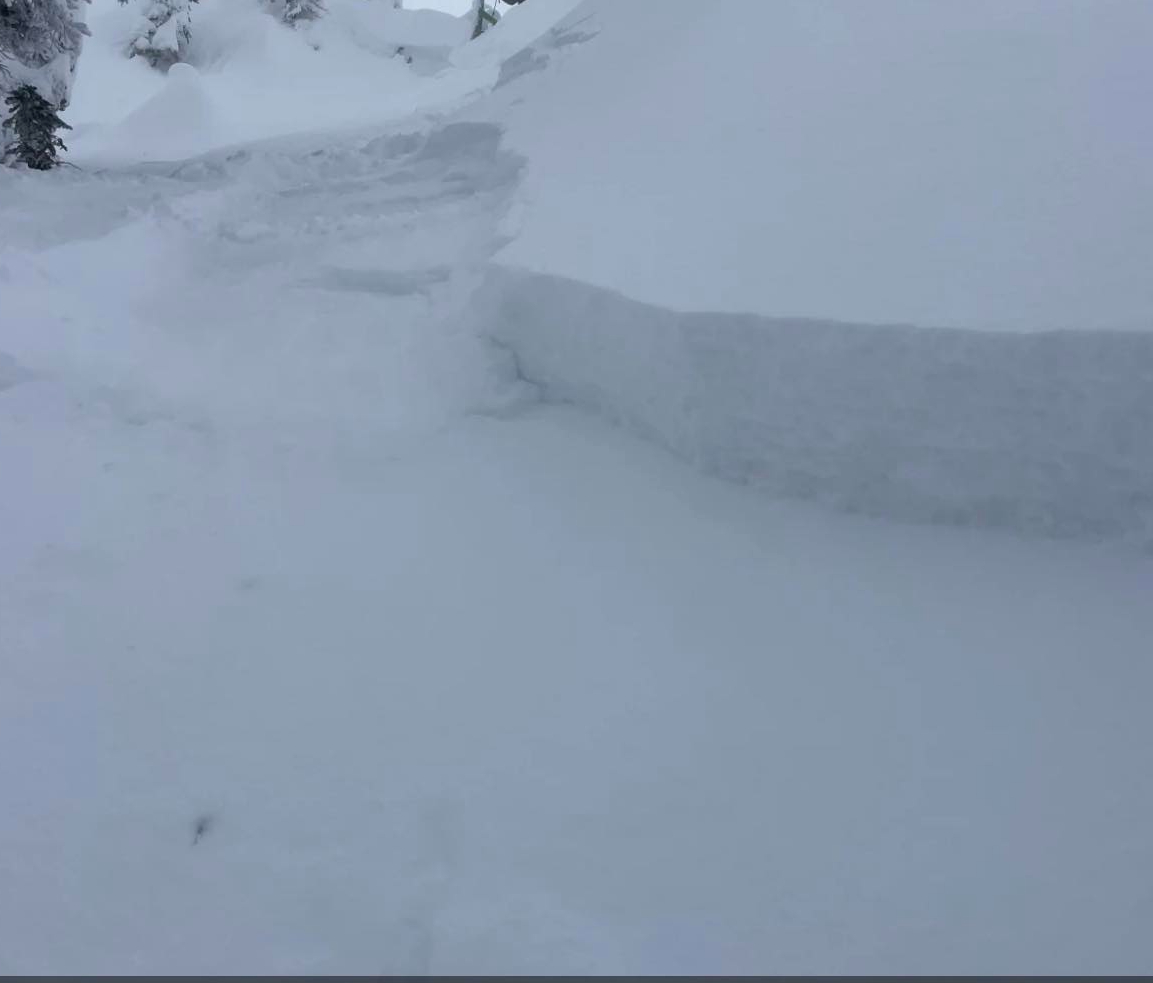
When it comes to safety, we can all help with sharing information. Add filling a MIN in to your after backcountry recration debrief, so others can use your information to make better safety choices.
