



Logo
Tailgate Industries
Show
Hide
Login
Close

SITE LOGIN

  • Forgot your password?

Register

  • REVIEWS
    • Ski Gear
      • Skis
      • Boots
      • Bindings
      • Climbing Skins
      • Poles
      • Snowboards
    • Clothing
      • Hard Shells
      • Soft Shells
      • Insulation
      • Mid Layers
      • Base Layers
      • Gloves
      • Socks
      • The Best Backcountry Hats
    • Accessories
      • Safety Gear
      • Goggles and Helmets
      • Ski Touring Packs
      • Ski Boxes and Bags
      • Sleeping Bags - 4 Season
      • Technology
      • Sunglasses
      • Insoles & Braces
      • Books
    • Summer Gear
      • Summer How-to
        • What to Wear Hiking
        • Guide to Hiking Trail Ratings
      • Hiking
        • Rain Shells
        • Day Packs
        • Apparel
        • Footwear
          • Best Hiking and Trail Running Shoes
        • Safety
        • Footwear
      • Camping
        • Backpacks
        • Sleeping Bags
        • Sleeping Pads
        • Tents
        • Coolers / Cooking
        • Furniture / Storage
        • Lighting / Power
      • Biking
      • Paddling
      • Climbing
      • Mountaineering
      • Running
    • Lifestyle
    • Lodges and Accommodation
    • Nutrition
    • Manufacturers
    • Destinations
    • Training
    • Gear of the Year
      • Gear of the Year Winter 2024-2025
      • Gear of the Year Winter 2023-2024
      • Gear of the Year Archives
    • Best New Summer Gear
      • Best New Summer Gear 2025
      • Best New Summer Gear 2024
      • Best New Summer Gear 2023
      • Best New Summer Gear 2022
      • Best New Summer Gear 2021
      • Best New Summer Gear 2020
    • Holiday Gift Guide
    • Pro Skier Interviews
  • NEWS
    • Gear Talk
    • Safety Talk
    • Touring Locations
    • Backcountry Hikes
    • Pro Services
    • General
  • STORE
    • Guides & Maps
    • Buy Guides and Maps Locations
    • Gear Deals
      • Alpine Touring Boots
      • Backcountry Skis
      • Alpine Touring Bindings
      • Backcountry Accessories
      • Off-Season Gear
      • Climbing Skins
  • ROUTES
  • LODGING
    • Coast Mountains
    • Interior Mountains
    • Rocky Mountains
  • VIDEOS
    • 2022/23 Gear Reviews
    • 2021/22 Gear Reviews
    • 2020/21 Gear Reviews
    • 2019/20 Gear Reviews
    • 2018/19 Gear Reviews
    • 2017/18 Gear Reviews
    • 2016/17 Gear Reviews
    • 2015/16 Gear Reviews
    • 2014/15 Gear Reviews
    • 2013/14 Gear Reviews
    • 2012/13 Gear Reviews
    • 2011/12 Gear Reviews
    • 2020 Outdoor Retailer
    • 2019 Outdoor Retailer
    • 2018 Outdoor Retailer
    • 2017 Outdoor Presscamp
    • 2017 Outdoor Retailer
    • 2016 Outdoor Presscamp
    • 2016 Outdoor Retailer
    • 2015 SIA Show
    • 2014 Outdoor Retailer
    • 2013 SIA Show
    • 2012 Outdoor Retailer
    • Tips and Tricks
    • Backcountry Skiing
  • SAFETY
    • Plan Ahead
    • Equipment
    • Resources
    • Avalanche Skills Training
    • Managing warmth & heat loss
  • ABOUT
    • Advertise
    • Glossary
    • Contact Us
    • Newsletter
    • Contest
    • Affiliate Disclosure
    • Contributor Guidelines
  • REVIEWS
    • Ski Gear
    • Clothing
    • Accessories
    • Summer Gear
    • Lifestyle
    • Lodges and Accommodation
    • Nutrition
    • Manufacturers
    • Destinations
    • Training
    • Gear of the Year
    • Best New Summer Gear
    • Holiday Gift Guide
    • Pro Skier Interviews
  • NEWS
    • Gear Talk
    • Safety Talk
    • Touring Locations
    • Backcountry Hikes
    • Pro Services
    • General
  • STORE
    • Guides & Maps
    • Buy Guides and Maps Locations
    • Gear Deals
  • ROUTES
  • LODGING
    • Coast Mountains
    • Interior Mountains
    • Rocky Mountains
  • VIDEOS
    • 2022/23 Gear Reviews
    • 2021/22 Gear Reviews
    • 2020/21 Gear Reviews
    • 2019/20 Gear Reviews
    • 2018/19 Gear Reviews
    • 2017/18 Gear Reviews
    • 2016/17 Gear Reviews
    • 2015/16 Gear Reviews
    • 2014/15 Gear Reviews
    • 2013/14 Gear Reviews
    • 2012/13 Gear Reviews
    • 2011/12 Gear Reviews
    • 2020 Outdoor Retailer
    • 2019 Outdoor Retailer
    • 2018 Outdoor Retailer
    • 2017 Outdoor Presscamp
    • 2017 Outdoor Retailer
    • 2016 Outdoor Presscamp
    • 2016 Outdoor Retailer
    • 2015 SIA Show
    • 2014 Outdoor Retailer
    • 2013 SIA Show
    • 2012 Outdoor Retailer
    • Tips and Tricks
    • Backcountry Skiing
  • SAFETY
    • Plan Ahead
    • Equipment
    • Resources
    • Avalanche Skills Training
    • Managing warmth & heat loss
  • ABOUT
    • Advertise
    • Glossary
    • Contact Us
    • Newsletter
    • Contest
    • Affiliate Disclosure
    • Contributor Guidelines
Newsletter Signup

TOP VIDEOS

    HOTTEST REVIEWS


    Hagan Boost 99 POW Skis Garmin inReach Plus Scarpa 4-Quattro Pro 130+ Top Ski Reviews Ortovox Ravine Jacket Scarpa Maestrale RS Boots

    Ortovox
    Fritschi Swiss Bindings
    ROAM
    Marker Kingpin
    Avalance Canada
    Search
    • Home
    • »
    • Forum
    • »
    • Safety Talk
    • »
    • 7 ways surface hoar contributes to avalanches

    BACKCOUNTRY NEWS AND FORUMS

    Welcome to your source for the latest news, conditions, and insights on backcountry skiing and adventuring. Explore reports, gear reviews, safety tips, and more to help you make the most of your time in the wild.

    If you sign up as a member this is your chance to tell everyone about everything and anything to do with backcountry skiing. Follow the simple steps to register and WHAMMY, you’re in. If you are pulling your hair out with frustration, have a look at the help forums for answers or take a pause and drop us an email at: info (at) backcountryskiingcanada.com. We’ll do our best to help out as soon as we can (but all bets are off on a powder day, obviously).  


    7 ways surface hoar contributes to avalanches

    • RSS
    • Subscribe
    • Judson@Kootenay Backcountry Guides
      2023-10-12 16:42:56

      7 ways surface hoar contributes to avalanches

      I often refer to surface hoar as the enemy of backcountry skiers. Most avalanche deaths in the Columbia Mountains are caused by surface hoar. “Know thy enemy”  is a saying to apply to surface hoar. This article helps you understand this beautiful but deadly crystal. 


      Surface hoar refers to a type of frost crystal that forms on the surface of snow when conditions are right. It consists of feathery, beautiful and delicate ice crystals that grow vertically from the snow surface. Surface hoar typically forms during clear and calm nights when the air is cold enough to freeze and moisture condenses directly onto the snow. While it can create a picturesque scene, surface hoar can also lead to unstable snowpack conditions, potentially increasing the risk of avalanches in mountainous regions. Backcountry skiers need to be detectives and look for surface hoar whenever it may be present on a slope they wish to ride. 


      Surface hoar plays a significant role in avalanche formation due to its unique characteristics and effects on snow stability. Here's are 7 detailed explanations of how surface hoar contributes to avalanches:
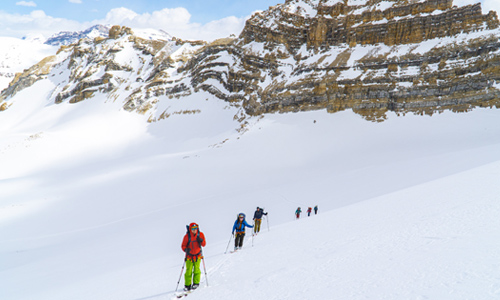
      1. Crystal Structure: Surface hoar crystals are fragile, flat, and feathery structures that resemble ferns or feathers. They grow vertically on the snow surface and form a weak, easily disrupted layer. 


      2. Weak Bonding: Surface hoar crystals have weak bonds between them and the underlying snowpack, making them prone to breaking or collapsing under stress. This weak bonding creates a potential weak layer within the snowpack.


      3. Load-Bearing: As snow accumulates on top of the surface hoar layer, the added weight (load) from new snowfall or additional wind-deposited snow can increase stress on the already weakly bonded crystals.


      4. Triggering Mechanisms: The weak surface hoar layer can act as a critical weak point within the snowpack. It can be triggered by various stressors, such as the weight of a skier, snowmobiler, or even natural factors like loading snow. These triggers can cause the surface hoar layer to break and lead to the initiation of an avalanche.


      5. Propagation: Once the surface hoar layer collapses or breaks, the fracture can propagate through the snowpack along interfaces. This propagation can often happen over 100’s of meters across a slope and occur deep in the snowpack, leading to the release of large avalanches.


      6. Resistance to bonding: Surface hoar can take a very long time to heal and bond to the surrounding crystals. Once buried, surface hoar can take months (6-8 weeks can be common for large crystals) to bond to their surrounding crystals. The larger the crystal the longer it takes to heal. 


      7.  Avalanche Risk: The presence of surface hoar increases the potential for a persistent weak layer within the snowpack, making it more prone to avalanches. Avalanche forecasters closely monitor and assess the presence of surface hoar as part of their snowpack analysis to determine the avalanche risk in mountainous terrain.


      A wise mentor of mine once said, “what is most important about surface hoar is whether or not it exists in the terrain you are trying to ride. Snowpack tests are less important that the fact that the surface hoar is present.” Meaning, don’t put all your eggs into the basket of snowpack tests when surface hoar is present in the snowpack. Simply avoid the slopes where it is present. 


      In summary, surface hoar contributes to avalanches by creating a weak layer within the snowpack that human and natural triggers can easily initiate. Surface hoar is hard to detect once buried, be a diligent backcountry detective and track surface hoar in the areas you play in before it is buried, once it is buried dig down and look for it before you drop in.


      Judson Wright 


    Ortovox
    Fritschi Swiss Bindings
    ROAM
    Marker Kingpin
    Avalance Canada
    • Terms of Use
    • Privacy Policy

    Copyright © 2009-25 Backcountry Skiing Canada. All Rights Reserved.