




While there are a seemingly infinite number of board types and styles, there are only a handful of shapes. In the following post, we’ll outline four different snowboard shapes — directional snowboards, directional twin snowboards, twin snowboards, and volume-shifted snowboards — and provide examples. Read on to learn more.
Directional
To be clear, there’s quite a bit of variety within the different snowboard shapes. Perhaps none have more variation than directional snowboards.
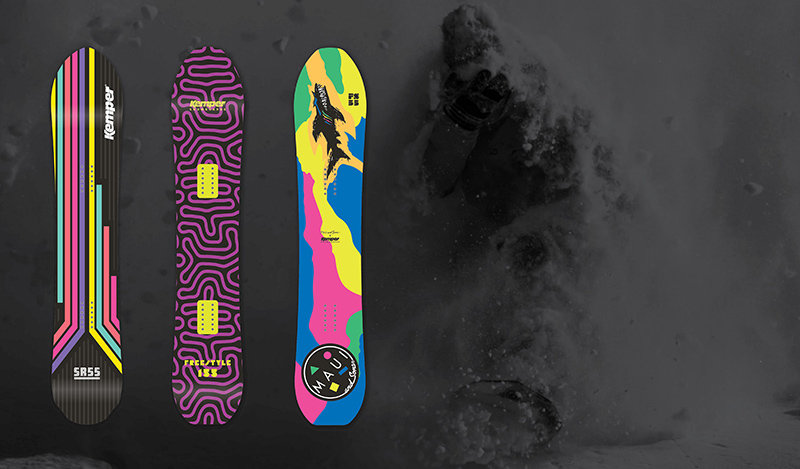
For example, a directional shape can encompass a 170cm swallowtail powder snowboard, a 160cm race snowboard, and a 158cm all-mountain snowboard with rocker camber. All three of those directional snowboards could arguably be in one rider’s quiver.
Directional snowboards have a longer nose than tail. They are usually tapered. The taper will vary greatly between models depending on whether it’s an all-mountain snowboard or a powder snowboard. The stance will typically be set back. The sidecut gets increasingly deeper towards the tail, which helps riders drive into turns. As a result, directional snowboards are generally meant to ride one way and aren’t well-suited for riding switch.
Directional Twin
Directional twin snowboards marry the symmetrical shape of a true twin snowboard with the longer nose and shorter tail of a directional. These are frequently all-mountain snowboards, combining the stability and speed of a directional snowboard while enabling some level of switch riding and freestyle. Often, directional twin snowboards may have a directional shape but a symmetrical flex, or vice versa.
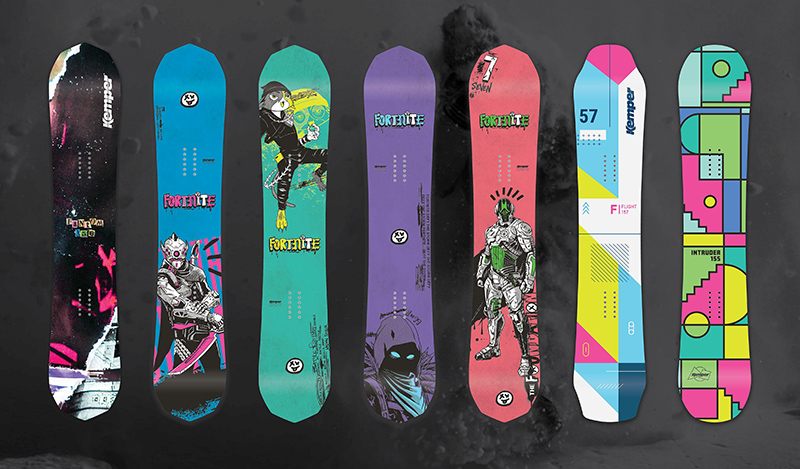
Directional twin snowboards are versatile, making them a great choice for people who don’t have or can’t afford a deep snowboard quiver.
Twin
Twin snowboards, also known as true twins, are symmetrical. The nose and tail lengths are the same; the sidecut depth is highest at the dead center of the board length. The stance is also set in the center of the snowboard.
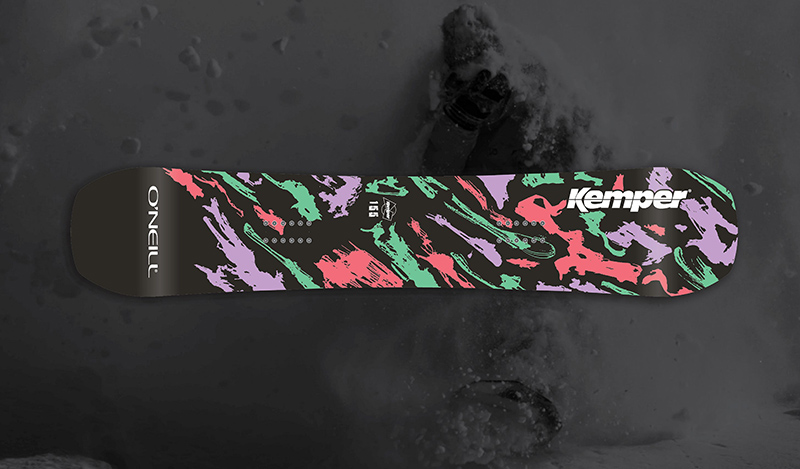
Typically, twin snowboards, of all the different snowboard shapes, are the least experimental. The variations tend to be in flex and camber profiles (though many true twins are full camber). True twins are ideal for people who ride switch often, including park snowboarders.
Volume Shifted
Short, wide snowboards, some with swallowtails, have blossomed in popularity in the past five years. Normally, volume-shifted snowboards are heavily tapered, meaning the nose is significantly wider than the tail. The stance is set back, way back. In some models, the volume-shifted snowboard will feature a swallowtail.
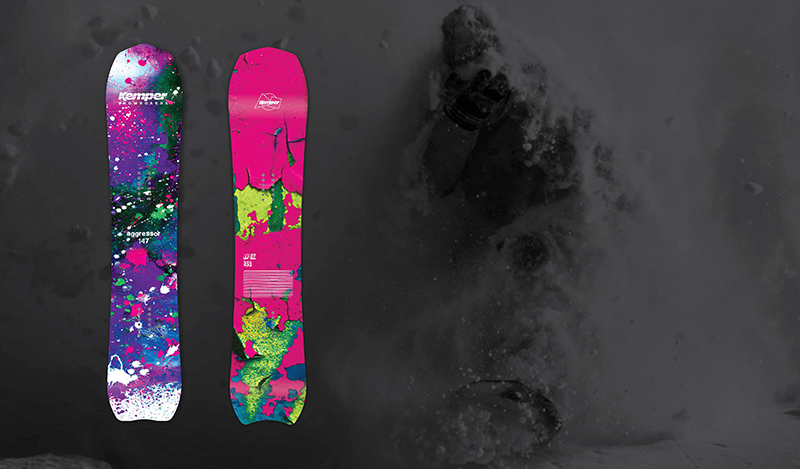
All of these specifications are designed to let the snowboard float in powder. However, the primary benefit is how quickly they turn. Volume-shifted snowboards are much shorter than their directional counterparts. For example, someone who rides a 154cm directional would ride a 144cm volume shifted snowboard.
Frequently volume-shifted snowboards have a higher-than-average flex rating, i.e., a 7 out of 10. That gives an added benefit to carving. It’s not uncommon for volume-shifted snowboards to have a blended camber profile with a rise in the nose and camber underfoot.
