



With summer officially over and fall rolling in it’s time to start thinking about staying warm and for most of us this means a good down jacket or other apparel. Down however, is not as straight forward as synthetic insulation and there are a lot of assumptions that may be incorrect. We spoke with Allied Down to determine the top misconceptions that they hear about down.
 So have a read of the following seven misconceptions before you go out and get a Labour Day deal on a new down or synthetic jacket.
Misconception One: Higher fill power is better.
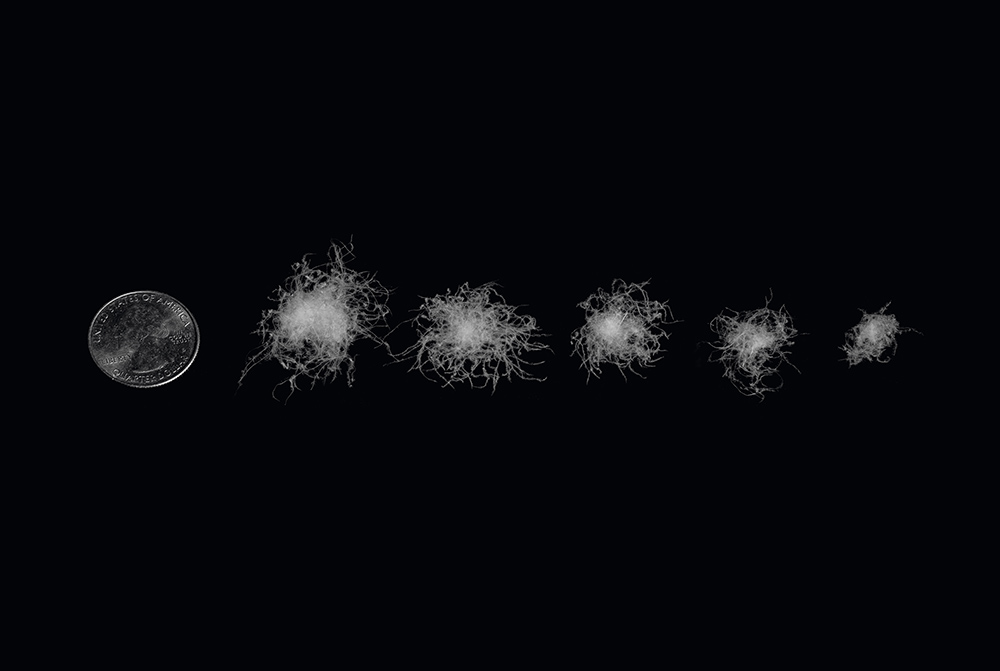
All things being equal, higher fill power down is warmer because it can trap more air (higher fill power corresponds to larger down clusters). However, heavier weight fabrics will compress a higher fill power down, removing the loft and, thereby, its ability to insulate. For these applications, a 700 fill power down works better and costs less than a 900 fill power down.
Misconception Two: Baffle size also determines which down is best.
Using a higher fill power down in small baffles can be a waste of money. If the down cluster is too big, it will be compressed and not be able to do its job as it is put into the jacket. Again, a lower fill power will work better with smaller baffles and save money for all involved.
Misconception Thee: All down is pretty much the same.
Processing has a lot to do with the quality of the finished product. It’s easiest and most cost effective to wash down with harsh detergents and dry it quickly with high heat. This processing method, however, will remove most of the natural oils found in down that keep it pliable and resilient. If the down loses too much of it’s natural oil, it becomes brittle and will break down quickly in a jacket or sleeping bag, reducing performance and useful lifespan. ALLIED, for example, prides itself on processing down in such a way as to maximize its longevity and performance and, therefore, its value.
Misconception Four: Down is not a feather.
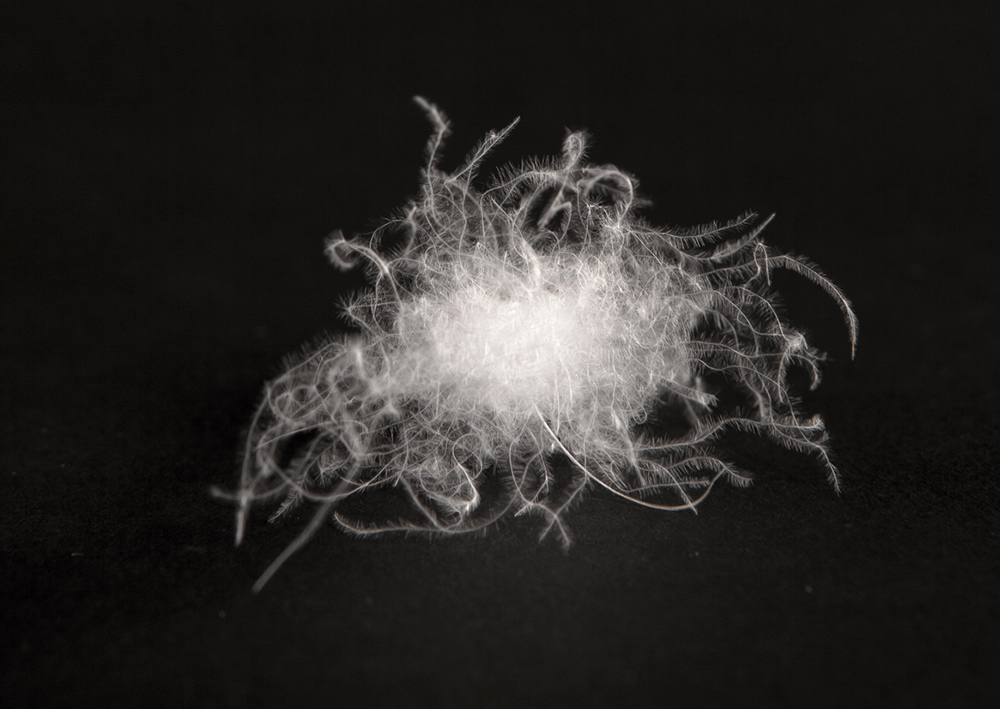
Down clusters are three-dimensional spheres as opposed to a basically two-dimensional feather. Because they are three dimensional, down is able to create dead air space which is very effective at trapping heat. Feathers are unable to do this. They do, however, provide protection for down the same way a waterproof shell will protect the down in your jacket.
Misconception Five: Goose down is not necessarily better than duck down.
Both geese and ducks have down plumes and the original wisdom was that goose down is a superior product. While geese, which are larger animals than ducks, create larger plumes, fill power is fill power, and 700 fill power duck insulates just as well as 700 fill power goose down. Duck down is generally less expensive, as duck is a more common food source.
Misconception Six: Not all down is ethically sourced.
Down is a byproduct of the meat industry. No one is raising geese or duck for their down, it’s simply not economically feasible. As a byproduct, it can come from animals that are humanely treated or from animals that may have been live plucked (rare) or force-fed for the foie gras industry. Look for down products that feature Responsible Down Standard (RDS) certification to make sure your down is ethically sourced. You can take it a step further with ALLIED Feather & Down, who incorporate transparency tools such as Track My Down into their product to allow consumers to learn more about where their down comes from and what’s actually inside their jacket or sleeping bag. No ALLIED down is ever live plucked or force fed. Check out this video we did in collaboration with Columbia Sportswear to back up these claims.
Misconception Seven: Down is inferior to synthetic insulation in wet environments.
While this used to be true, hydrophobic down is now commonplace and will stay much drier, much longer than untreated down. You can now take advantage of down’s superior weight, warmth and compressibility, even in damp and rainy environments with confidence.